
Thirty six years after the end of communist rule in Hungary, the names of tens of thousands of people recorded in the secret files of the country’s security apparatus have been made public online for the first time. The release showed once again how repressive governments build networks of informers and turn even family ties and the trust between those closest to one another into instruments of surveillance and social control.
On Wednesday, November 4, 2026, the Hungarian government opened up searchable information on nearly 60,000 people connected to the security networks of the communist era. Among the most striking cases cited is that of a miner who, according to the Hungarian prime minister, reported on his own family members and coworkers to the security services for 30 years. The network was vast, reaching from workplaces and schools to circles of friends and into the home itself.
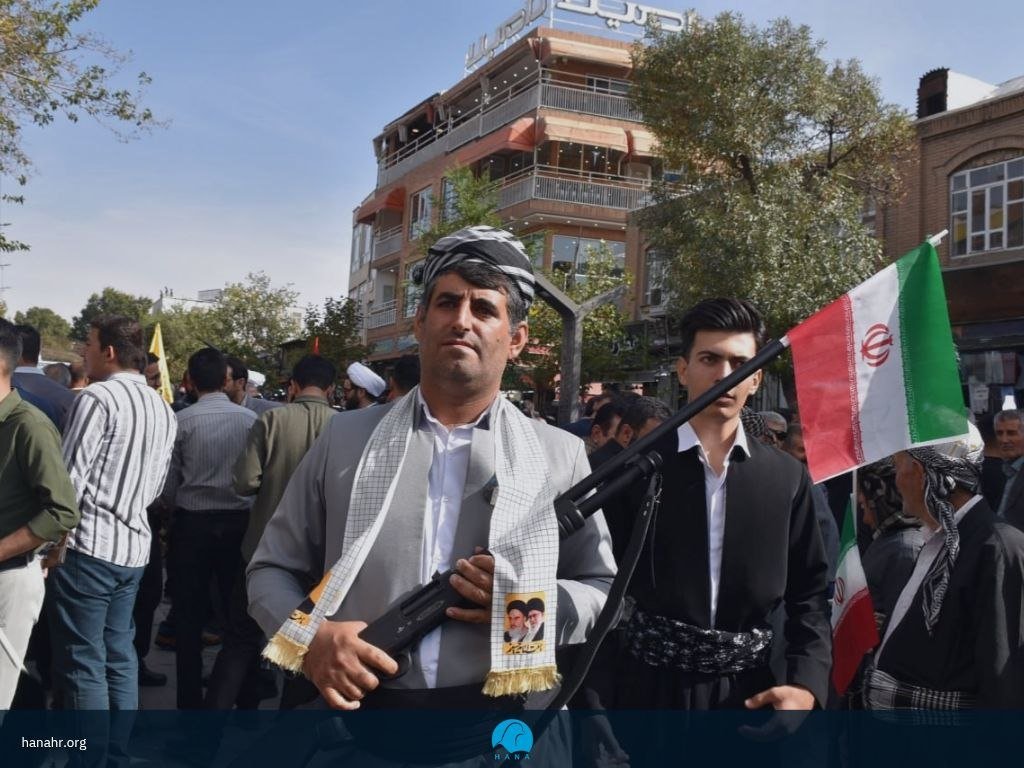
This development recalls one of the darkest dimensions of repression in Kurdistan, a phenomenon that lives in the people’s political and social memory under the name “jash,” a Kurdish term for local collaborators who serve the security apparatus of the central state. Over the past decades, by organizing and deploying affiliated local forces, the Islamic Republic has carried part of the machinery of identifying, threatening, and suppressing its opponents into the heart of Kurdish society. Hana has previously warned about the reproduction of these structures and the use of forces known as “jash” to intimidate citizens.
Hungary’s experience puts a question before Kurdish society: should the Islamic Republic’s security archives one day be opened, what truths would come out about informer networks, the identification of political activists, and the part local forces played in suppressing citizens? Documents kept secret today may one day become vital evidence for establishing the fate of victims and identifying those responsible for human rights violations.
The Hana Human Rights Organization stresses that knowing collaboration in identifying, pursuing, torturing, and suppressing citizens, whatever the position or political affiliation of the perpetrators, must be subject to truth seeking and legal accountability. At the same time, being labeled “jash” or having one’s name recorded in security files is not, by itself, enough to establish individual responsibility, and every allegation must be assessed on credible evidence and independent review.
The lesson Hungary offers Kurdistan is plain: apparatuses of repression may hide the truth for years, but the end of a government does not necessarily end the history of its secret files. Justice Seeking for victims rests not on vengeance but on truth, justice, and accountability.