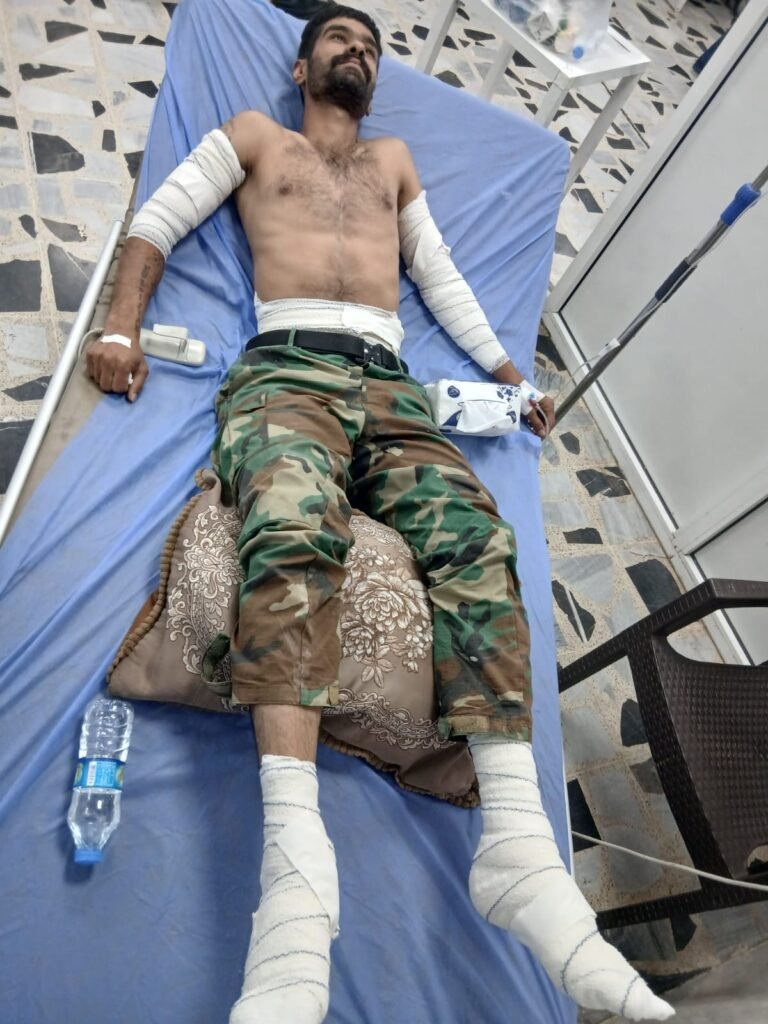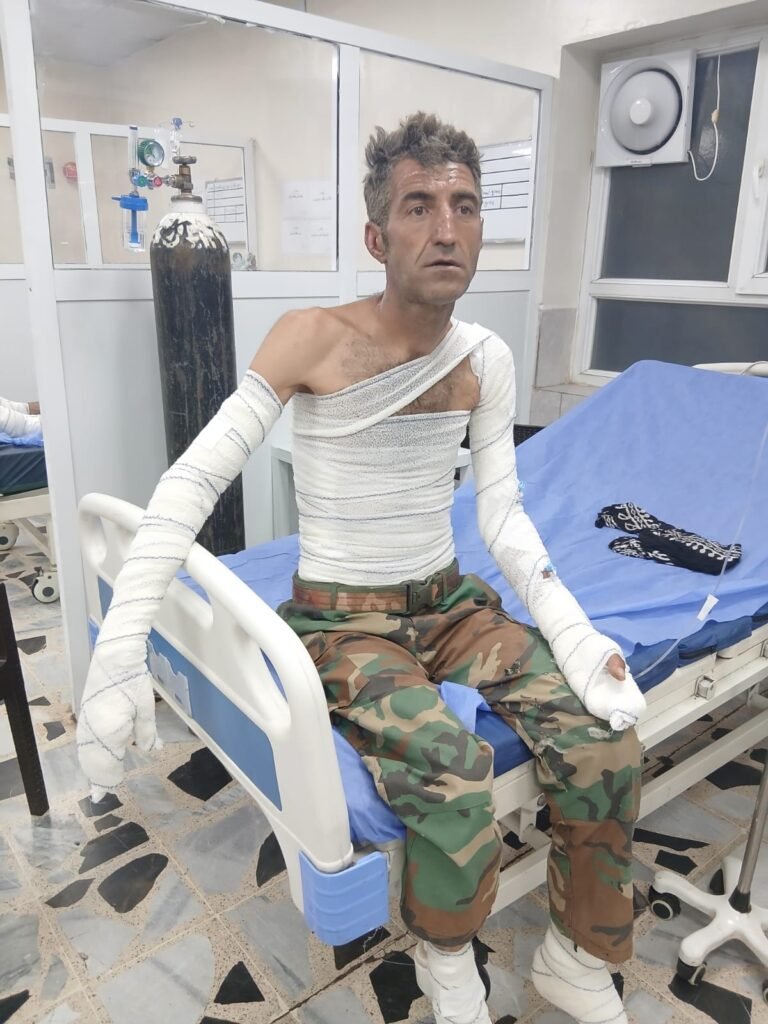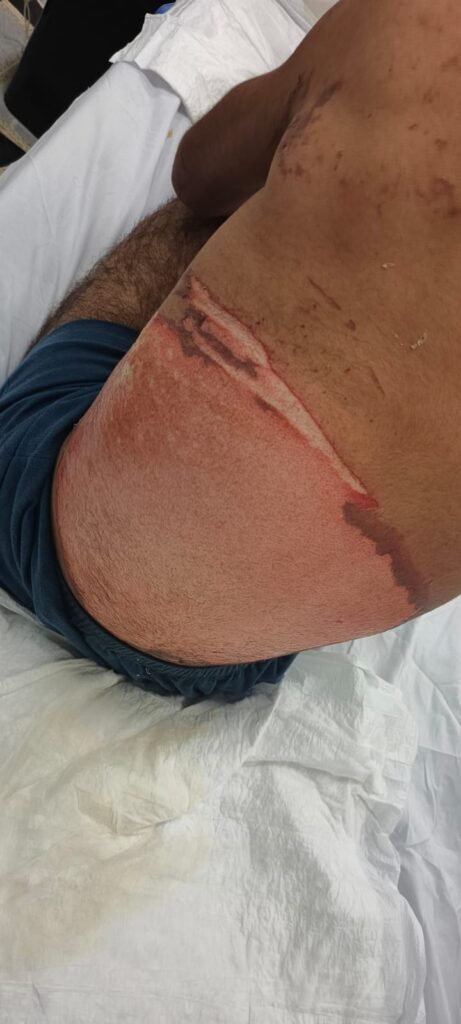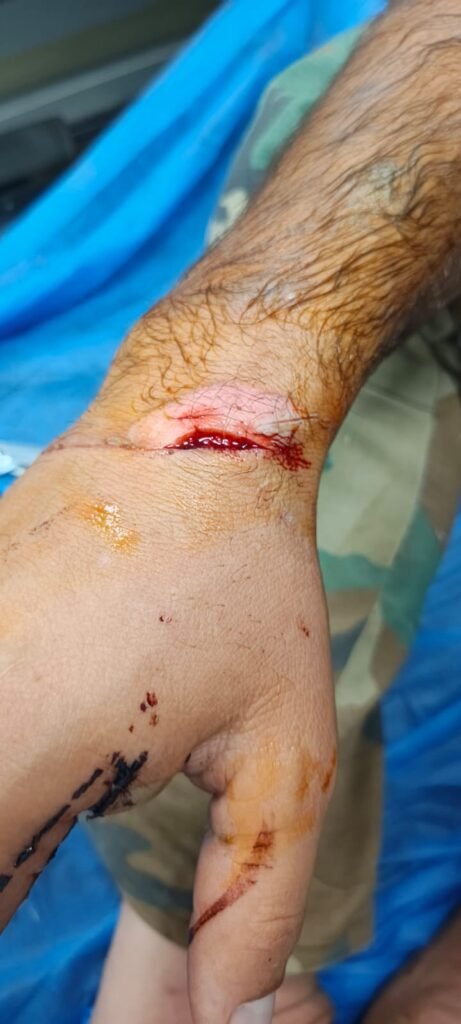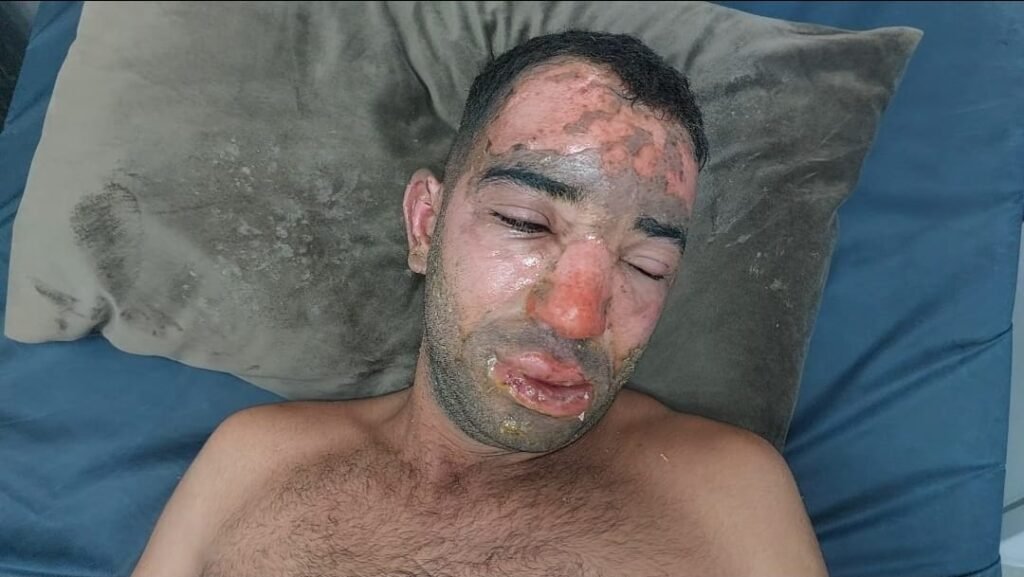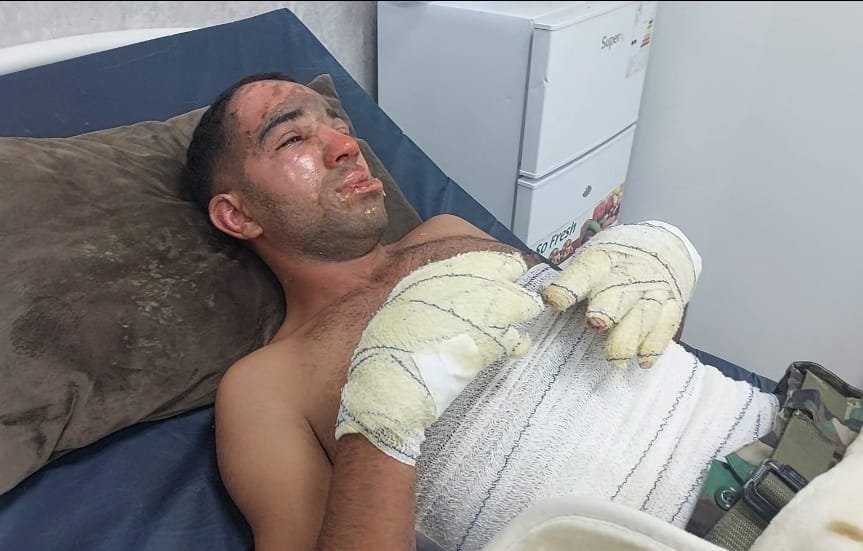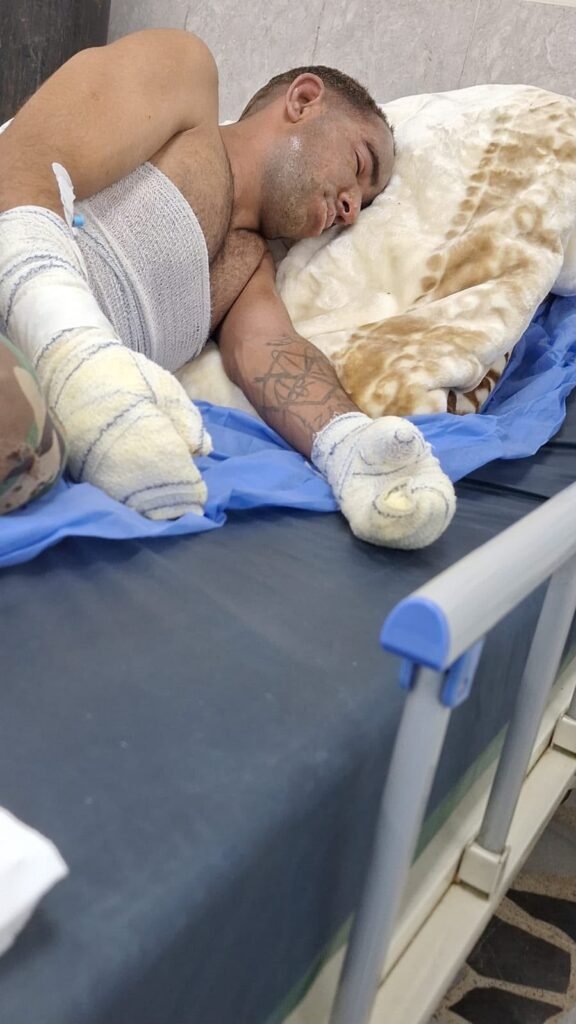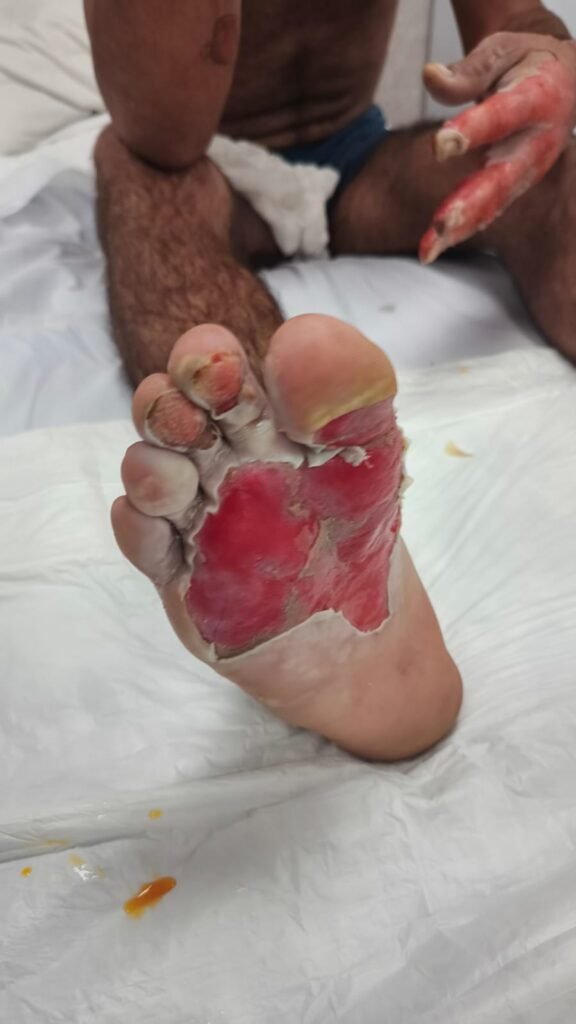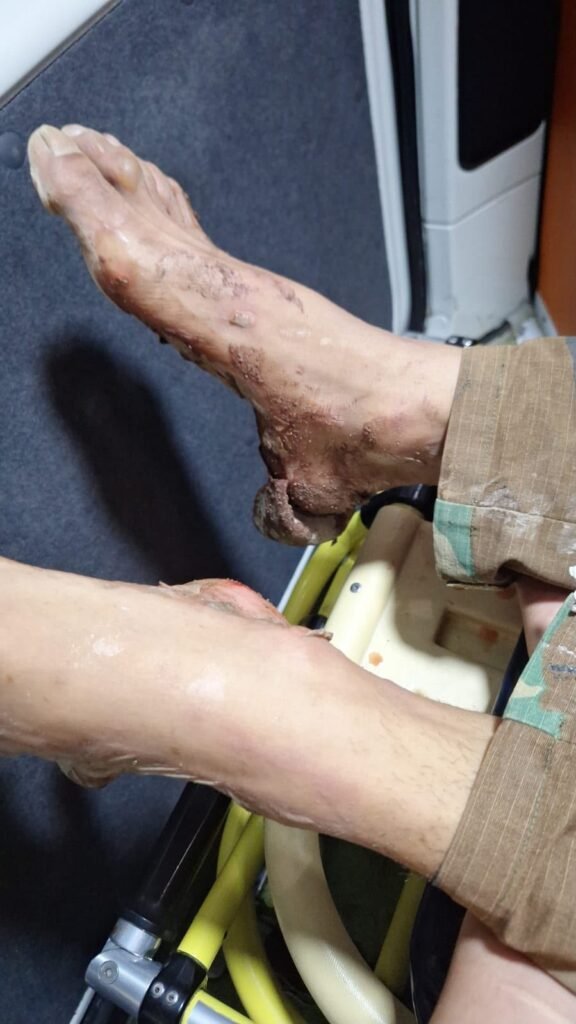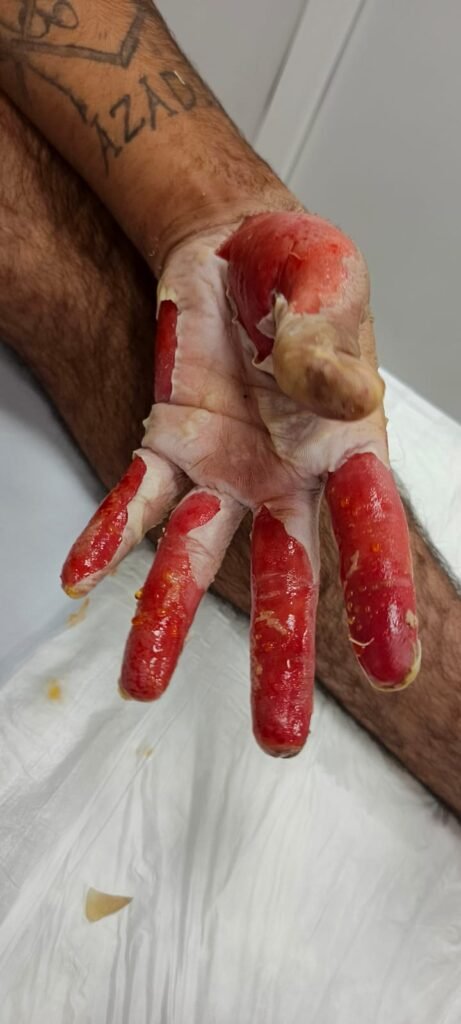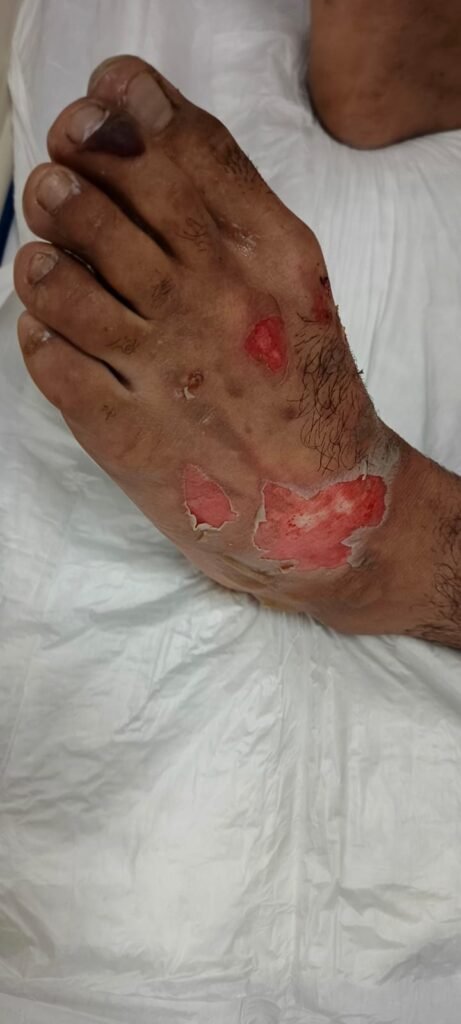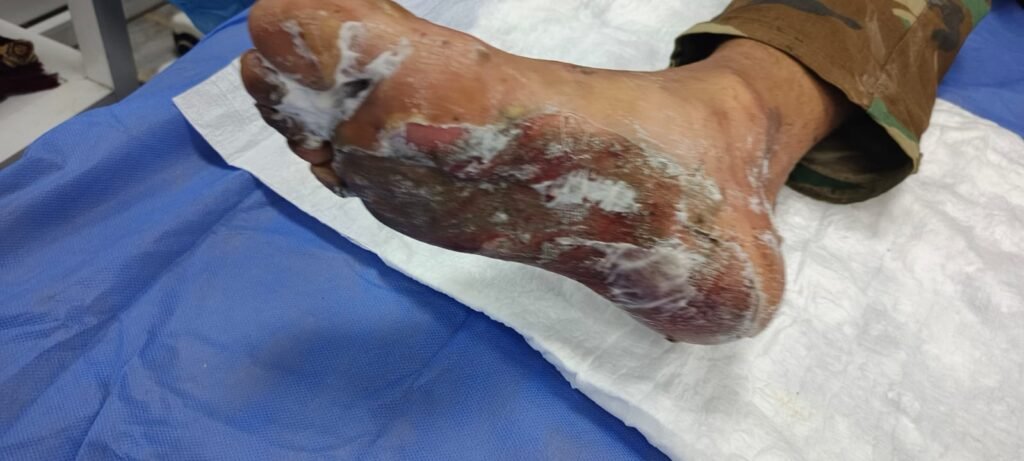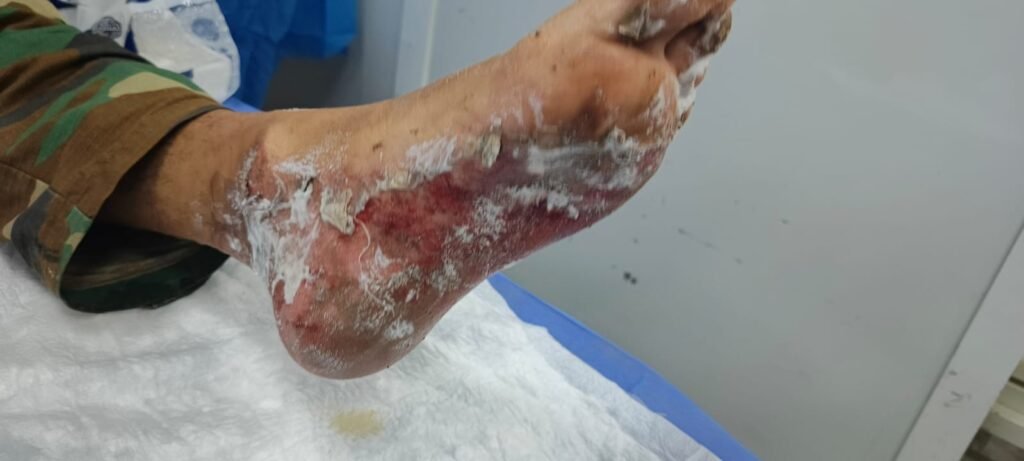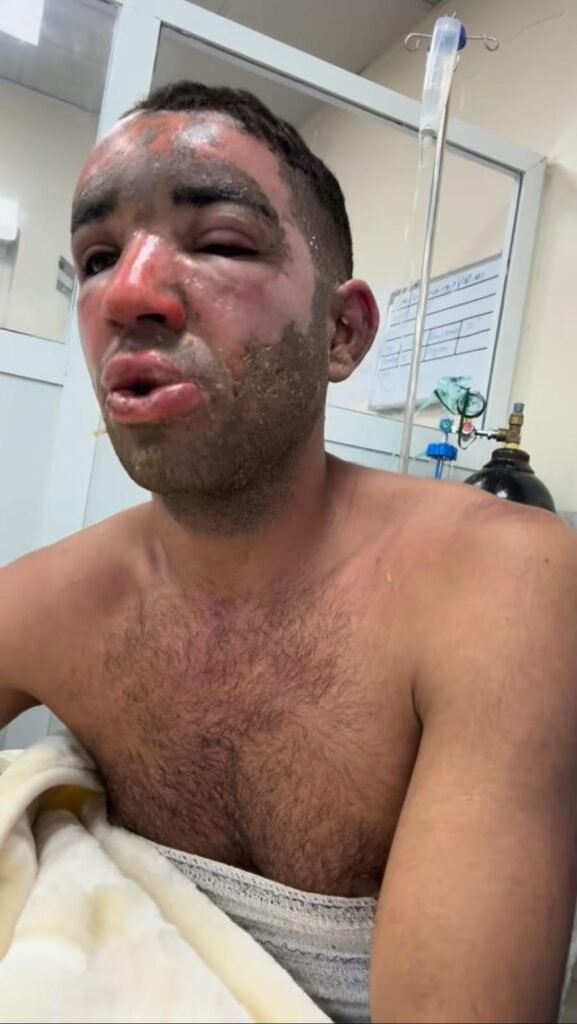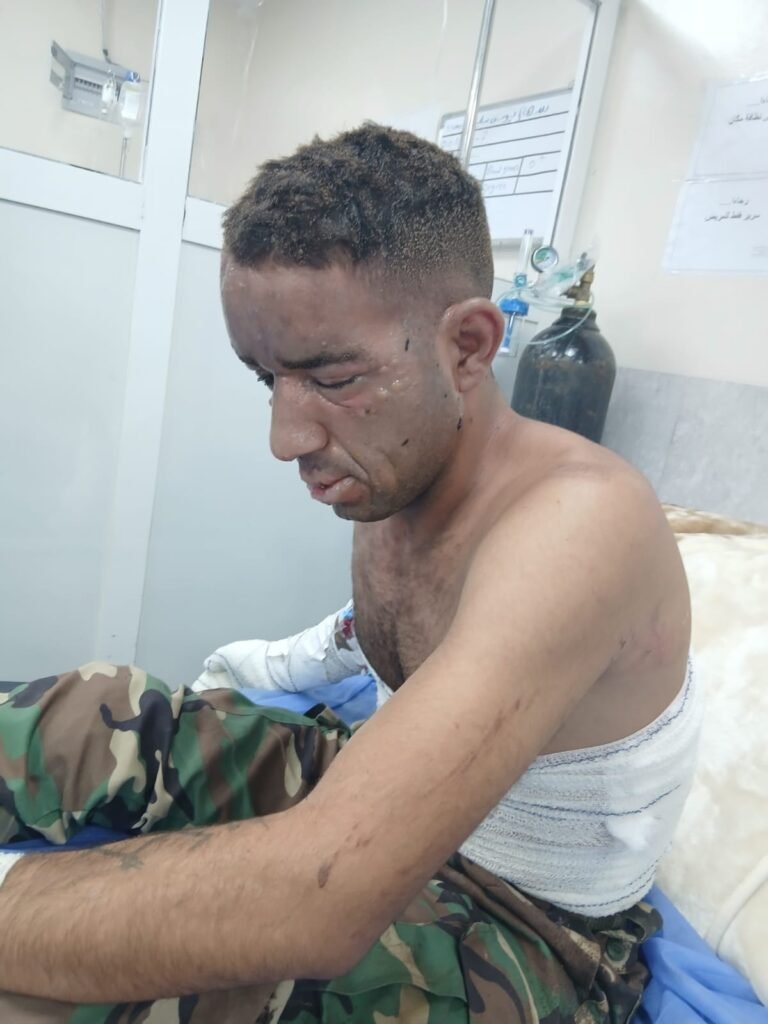
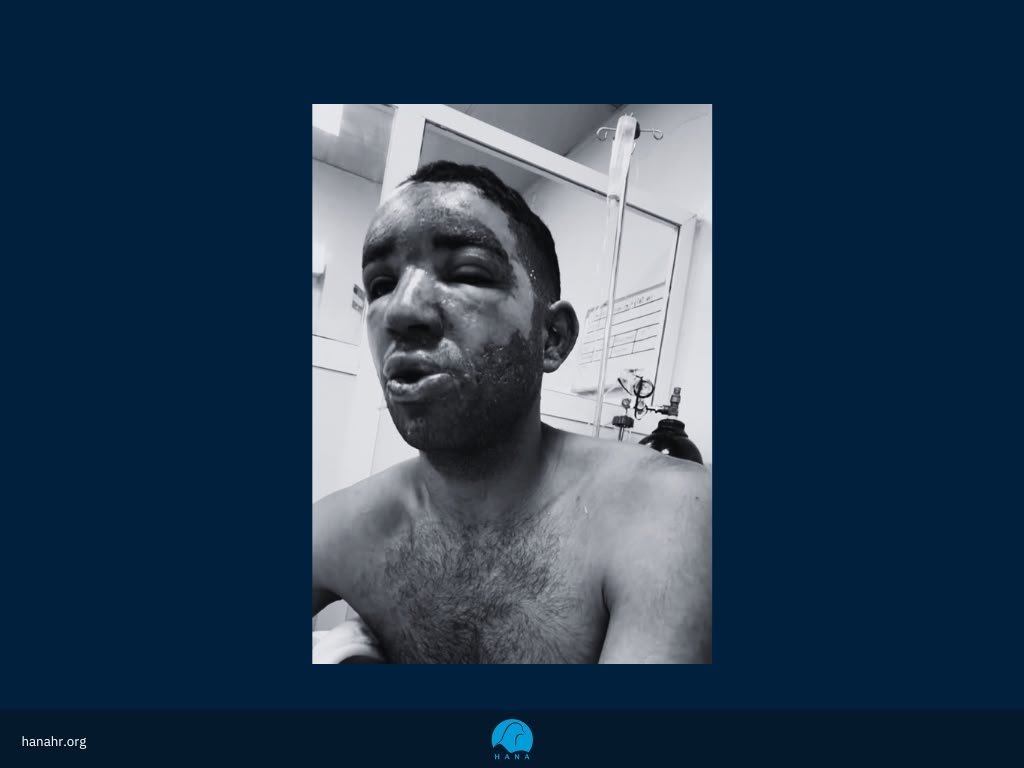
HANA Human Rights Organization has received photographs and information concerning severe injuries reportedly sustained during an attack attributed to the Islamic Revolutionary Guard Corps against a position of the Kurdistan Freedom Party, PAK, in the Kurdistan Region of Iraq. The appearance and severity of the injuries, together with reports of persistent fires and suspected munition remnants at the site, raise serious concerns that an incendiary substance, potentially white phosphorus, may have been used.
According to information published by PAK, the attack was carried out on 19 July 2026 against one of its positions in the Darashakran area, west of Erbil. PAK attributed the attack to forces of the Islamic Republic of Iran and alleged that the munitions contained white phosphorus. The party referred to the injuries suffered by its members, observations made at the site, the intensity and persistence of the resulting fires, and information reportedly provided by medical personnel.
Public accounts differ concerning the number of wounded persons. Some reports refer to eight injured members, while PAK has reported nine. Several of the wounded were reportedly in serious condition. This discrepancy should be clarified through hospital records, casualty lists, and direct interviews with the injured persons and medical personnel.
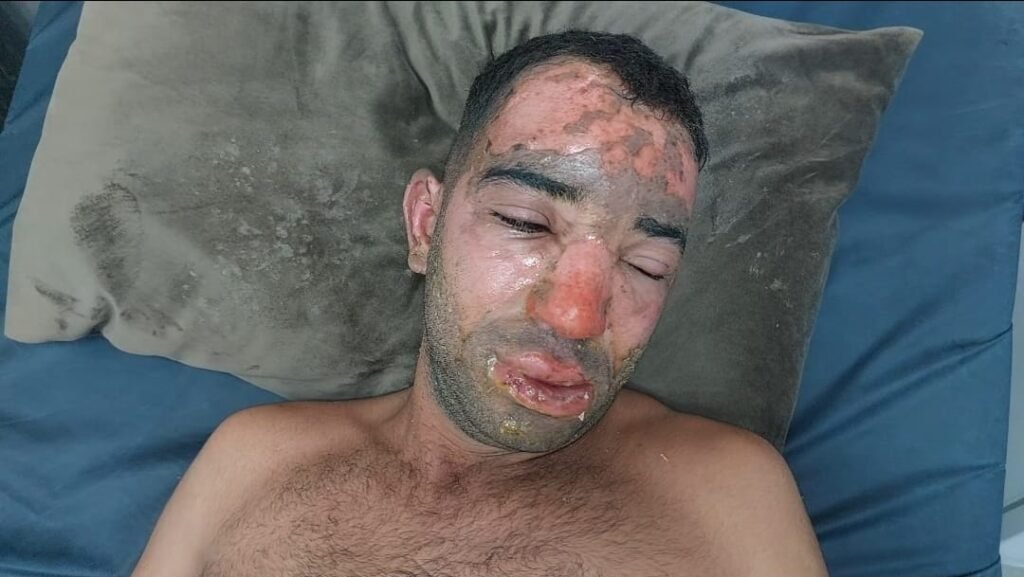
HANA has received photographs showing severe bodily injuries. These photographs constitute relevant evidence of the consequences of the attack. They do not, without medical, chemical, and weapons examination, establish that the injuries were caused specifically by white phosphorus. The photographs should therefore be described as showing injuries potentially consistent with exposure to an incendiary substance, rather than as conclusive proof of the munition used.
The Alliance of Political Forces of Iranian Kurdistan has also expressed concern that incendiary substances or white-phosphorus munitions may have been used in attacks against Iranian Kurdish opposition parties in the Kurdistan Region. The Alliance referred to the condition of the wounded, the effects observed at the targeted locations, and materials reportedly remaining at the sites. Its statement reinforces the need for an independent investigation, but it should be treated as an allegation requiring forensic confirmation.
Severe burns, deep tissue injuries, wounds that continue to burn when exposed to oxygen, and extensive fires may be consistent with exposure to white phosphorus or another incendiary substance. Similar injuries may also result from other incendiary materials, explosive weapons, fuel combustion, or secondary fires. The visual appearance of an injury cannot, by itself, identify the chemical composition of a munition.
A reliable determination requires examination of the original and uncompressed photographs and videos, complete hospital and surgical records, blood and tissue samples, clothing and materials removed from wounds, munition fragments, drone components, soil, vegetation, ash, impact points, fire patterns, and satellite imagery. Witnesses should be interviewed separately, and every item of evidence should be preserved under a documented chain of custody.
The affected locations should be secured immediately. Munition remnants should be handled only by trained explosive-ordnance and chemical-response specialists. Disturbing, moving, or improperly storing such materials may endanger investigators and undermine their evidentiary value.
White phosphorus is a highly incendiary substance capable of causing severe burns, organ damage, respiratory injury, and death. It is not prohibited in every military application and is not automatically classified as a chemical weapon when used for smoke, illumination, marking, heat, or fire. Its legal status depends on its design, purpose, target, method of delivery, and foreseeable effects.
Its use may violate international humanitarian law where it is directed against civilians or civilian objects, used indiscriminately, expected to cause excessive civilian harm, employed without feasible precautions, or selected to inflict unnecessary suffering. Its deliberate use against persons may also be unlawful where a less harmful means of achieving the same military purpose was available.
The existence of a military objective does not remove these restrictions. Parties to an armed conflict remain bound by the principles of distinction, proportionality, military necessity, precautions in attack, and the prohibition of superfluous injury and unnecessary suffering. If the munition was deliberately selected to inflict phosphorus burns on persons, the attack would raise particularly serious questions under these rules.
If the substance was used specifically for its toxic chemical properties, rather than its incendiary or smoke-producing effects, the Chemical Weapons Convention may also become applicable. Such a conclusion would require evidence concerning the composition of the substance, the design of the munition, and the purpose for which it was employed.
At the present stage, the available material is insufficient to conclude definitively that a war crime has been committed. There is, however, a reasonable basis for investigating whether the attack involved the intentional targeting of civilians or civilian objects, an indiscriminate or disproportionate attack, failure to take feasible precautions, unlawful anti-personnel use of an incendiary weapon, or the use of a means or method causing superfluous injury or unnecessary suffering.
Any criminal assessment would require evidence concerning the intended target, the weapon used, the presence of civilians, the expected effects of the attack, available military alternatives, the identity of the units involved, and the knowledge and intent of the individuals who planned, authorized, and carried out the operation. Command responsibility should also be examined where commanders knew or should have known of unlawful conduct and failed to prevent or punish it.
The attack raises a separate issue under the prohibition on the use of force and the territorial sovereignty of Iraq. A military strike conducted by Iranian forces inside Iraqi territory would require a valid legal basis, such as Iraqi consent, authorization by the United Nations Security Council, or a lawful exercise of self-defence meeting the requirements of necessity and proportionality. The targeting of an opposition armed group does not, by itself, authorize the use of force within another state.
HANA strongly condemns the repeated use of military force by the Islamic Republic of Iran inside the territory of the Kurdistan Region of Iraq. These attacks threaten the lives of combatants and civilians, undermine the sovereignty of Iraq, and create a serious risk of wider regional escalation.
The Government of Iraq and the Kurdistan Regional Government should establish an immediate, independent, and technically competent investigation. The investigation should include prosecutors, forensic medicine specialists, accredited chemical laboratories, weapons experts, environmental specialists, and independent international observers.
The authorities should secure and document every affected location, preserve munition remnants and drone components, obtain complete medical records, collect biological and environmental samples, protect witnesses and medical personnel, and identify the military units and commanders involved. The methodology and principal findings of the investigation should be made public, subject to necessary protections for victims and witnesses.
The Office of the United Nations High Commissioner for Human Rights should examine the allegations and support the establishment of an independent investigation.
Relevant United Nations Special Procedures should request information from the Iranian and Iraqi authorities, including the mandate holders addressing the situation of human rights in Iran, extrajudicial or arbitrary executions, hazardous substances and wastes, the right to health, and human rights and the environment.
The International Committee of the Red Cross should seek access to the wounded and engage with the concerned authorities regarding compliance with international humanitarian law. Its role is principally humanitarian and advisory. It is not a criminal prosecutorial body and normally conducts its engagement confidentially.
Iraq should also consider requesting assistance from the International Humanitarian Fact-Finding Commission to investigate alleged serious violations of international humanitarian law. Such an investigation may require the consent of the concerned states, but a formal request would demonstrate Iraq’s willingness to submit the allegations to independent scrutiny.
If preliminary scientific examination indicates that a toxic chemical was intentionally used as a weapon, Iraq should submit a substantiated request for technical assistance to the Organisation for the Prohibition of Chemical Weapons. It should also request consideration of the allegation under the United Nations Secretary-General’s Mechanism for investigating alleged chemical and biological weapons use.
The World Health Organization may provide medical and public-health assistance, including guidance on the treatment of burns and chemical exposure. It should not, however, be presented as the principal body responsible for identifying the weapon or determining criminal responsibility.
The available photographs, medical information, and reports from the affected parties are sufficiently serious to justify an immediate international forensic investigation. They are not yet sufficient to establish conclusively that white phosphorus was used. This evidentiary caution should not be used as a reason for inaction.
Biological samples deteriorate, impact sites are altered, munition remnants may be removed, and digital evidence may be lost. Delay may therefore make an accurate determination impossible. All relevant authorities and international bodies should act without delay to establish the substance and delivery system used, the intended target, the presence of civilians, the chain of command, and the responsibility of those who ordered or carried out the attack.