
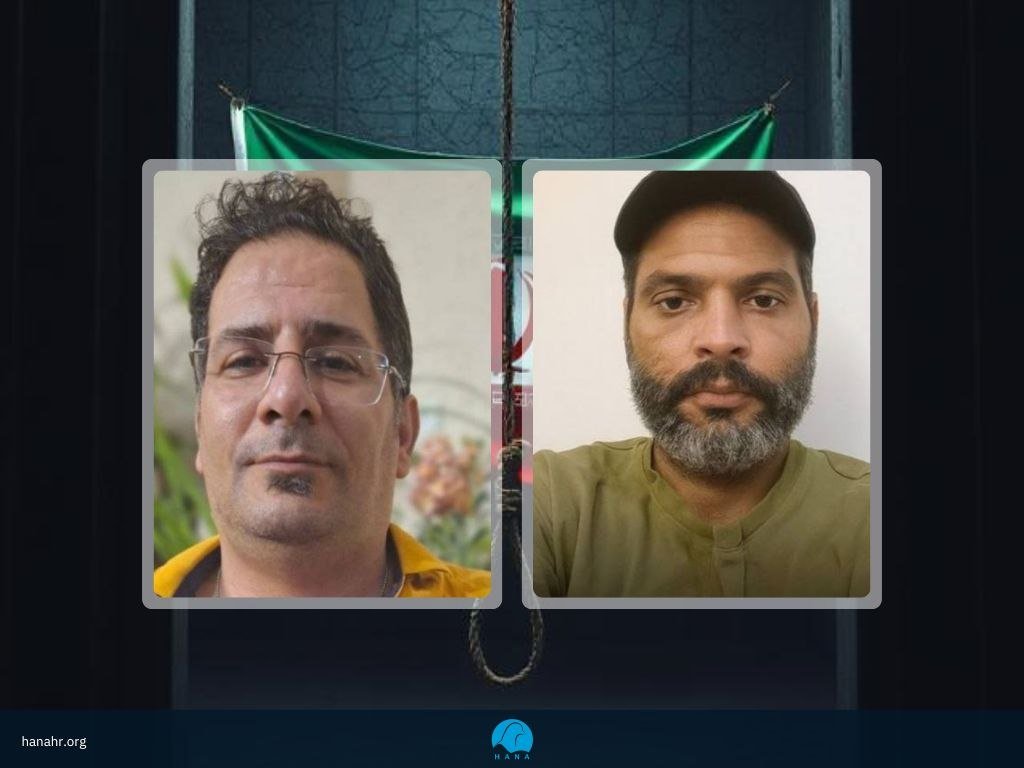
The Department of Foreign Relations of the Kurdistan Regional Government, on April 24, 2026, categorically rejected claims made by judicial institutions and official media of the Islamic Republic of Iran regarding the “training of two convicted individuals at foreign intelligence centers within the Kurdistan Region,” dismissing them as entirely baseless.
These claims directly pertain to the cases of Mohammad Masoum-Shahi and Hamed Validi, two political prisoners executed on security charges, including “collaboration with foreign intelligence services.” The attribution of “training abroad” to these two individuals was a key element of the accusatory narrative in their cases. The Kurdistan Region’s formal rejection of this claim severely undermines the credibility of this portion of the allegations.
From a human rights perspective, asserting and relying on unproven security claims without providing verifiable evidence constitutes a fundamental violation of due process principles. In such cases, the lack of transparency regarding evidence, restricted access to independent legal counsel, the likelihood of coerced confessions, and the absence of effective oversight of the judicial process significantly increase the risk of unjust sentences. Implementing the death penalty under these circumstances can be considered an arbitrary deprivation of the right to life.
Furthermore, linking convicted individuals to “foreign intelligence networks” or “overseas training” without clear documentation serves not only to legitimize penal repression but can also escalate the securitized atmosphere and threaten the fundamental rights of other citizens. In the absence of credible evidence, such narratives facilitate broader human rights violations rather than ensuring security.
Hana emphasizes that in cases leading to severe punishments, particularly execution, the full observance of fair trial guarantees, transparency in the presentation of evidence, and the possibility of independent oversight are mandatory. Otherwise, the issued sentences lack legal legitimacy, and their execution constitutes a serious violation of international obligations regarding the right to life and fair trial.