
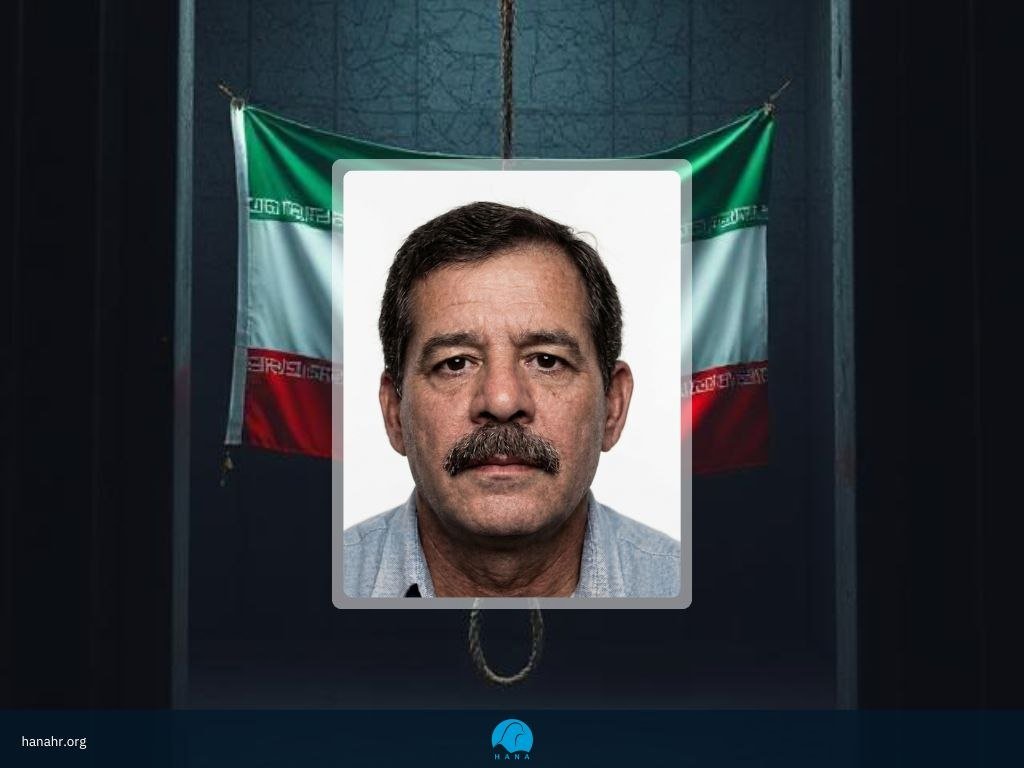
Hana Human Rights Organization: On the morning of Thursday, April 23, 2026, the judiciary of the Islamic Republic of Iran executed a citizen identified as Soltan-Ali Shirzadi Fakhr. The execution was carried out based on security charges, including “collaboration with the Mossad” and alleged affiliation with the “People’s Mojahedin Organization of Iran (MEK).” According to media outlets affiliated with the judiciary, the sentence was implemented following confirmation by the Supreme Court.
However, the information released regarding this case lacks essential details concerning the date of arrest, the judicial process, the defendant’s access to independent legal counsel, and the evidentiary basis for the charges. Consequently, it is impossible to independently assess whether fundamental guarantees of due process were upheld, including the right to an effective defense, the principle of a public trial, and the standards of proof required in cases involving capital punishment.
This execution follows a recent trend in which several death sentences have been carried out for similar charges, such as “espionage for Israel” or “links to opposition groups.” The focus on security-related labels in these cases highlights the urgent need for a rigorous review of their compliance with legal requirements governing crimes punishable by death.
Hana Human Rights Organization emphasizes that under international standards, the application of the death penalty requires the strict and complete observance of fair trial guarantees. In cases where these guarantees are not transparently and verifiably met, the execution of a death sentence may constitute a violation of the state’s international obligations regarding the right to life and the principles of a fair trial.