
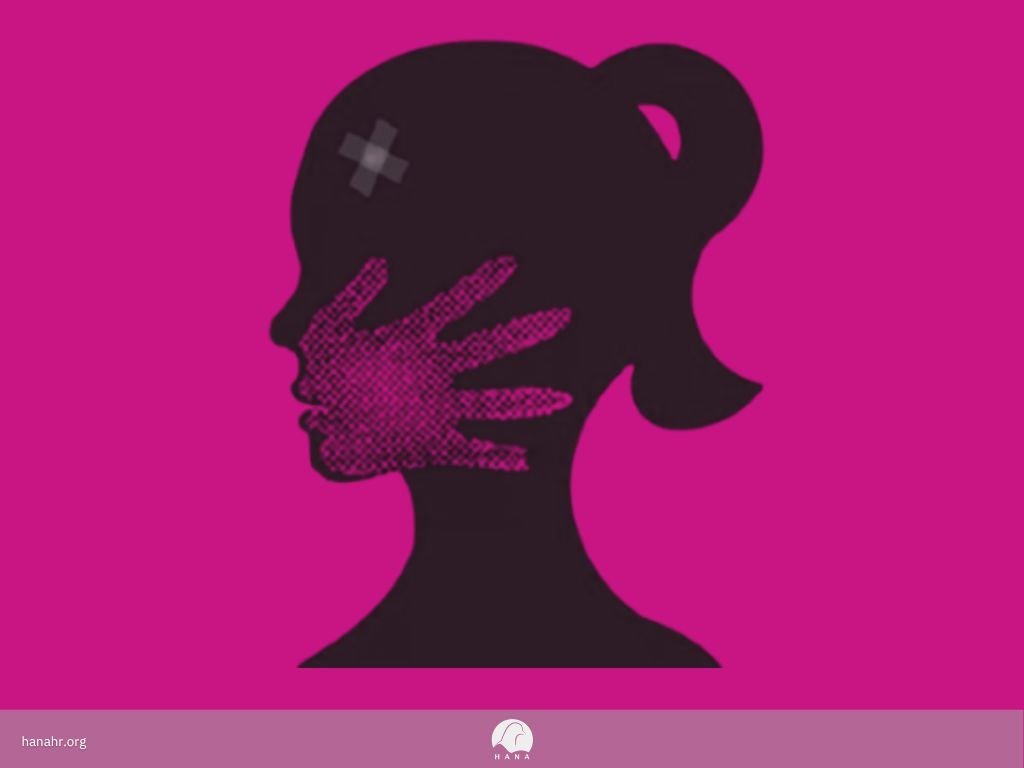
In reports of femicide, we repeatedly encounter a phrase that, through sheer repetition, seems to conceal the horror of the crime: “honour-related motive.” But what connection can there possibly be between a man’s honour and a woman’s life? How can a person’s dignity, which should be determined by their own conduct, become dependent on another person’s body, behaviour and choices? And who has given men the authority to decide whether women live or die over what they describe as the “dishonouring” of their family?
Historically, the word namus has carried various meanings, ranging from law and custom to dignity and chastity. Yet in patriarchal culture, instead of being recognised as a person whose dignity belongs to her, a woman is turned into the guardian of a man’s honour. Abroo, or social reputation, should reflect an individual’s standing in society. Instead, it is often defined as though it belongs to the man and the woman is responsible for preserving it. Within this unequal arrangement, the man is treated as the owner of an imagined form of prestige, while the woman may lose her very real life on the accusation of having tarnished it.
In such a culture, masculinity is associated with freedom and authority, while femininity is associated with restriction. A man may make choices, make mistakes, regret them and still remain an independent individual. The same independence in a woman, however, may be labelled defiance or disgrace. A woman is identified not by her own individual character, but by her relationship to men: someone’s daughter, someone’s wife or someone’s sister. It is as though being human is enough for a man to be recognised as an individual, while a woman must continually prove something to others to earn recognition.
Remarkably, in many countries, consensual sexual relations outside marriage have long since been decriminalised, and marital infidelity is no longer, in itself, an independent and decisive ground for divorce. In these legal systems, the focus is on the breakdown of the marital relationship, rather than putting individuals’ private morality on trial. This shift does not amount to endorsing infidelity; it reflects a distinction between moral judgement and legal punishment. In Iran, however, the law continues to criminalise sexual relations outside marriage, while the culture of so-called honour sometimes demands punishment beyond even what the law prescribes. How can conduct that has been removed from the scope of criminal law in one society become, in another, grounds for taking a life based even on mere suspicion? The distance between these two approaches is not simply a difference between legal systems; it reflects two fundamentally different understandings of the human person and their right to live their own life.
The murder of a woman whose genitalia have been deliberately mutilated is a horrifying manifestation of this possessive mindset. The perpetrator not only takes the woman’s life but also makes her body the target of punishment, as though seeking to destroy, even after her death, what he has perceived as the source of shame. Such a crime cannot be reduced to a moment of anger or a family dispute. It is an instance of one human being imagining himself to be the owner of another and believing that he can turn his personal suspicion into a death sentence.
The right to life acquires its full meaning precisely in opposition to this mindset. A person’s life is not a reward for chastity, obedience or family approval. Even if a woman lives in defiance of every belief held by her family and community, even if she makes mistakes or behaves in ways others consider unacceptable, none of this diminishes her right to live. A woman’s individuality means more than simply having her own name and identity. It means that she is not an extension of her father’s, brother’s or husband’s identity, and that no one has the right to pass judgement on her fate in the name of their own honour.
The tragedy lies in the fact that, within some social structures, a woman’s killing is still not considered as shameful as what is labelled her “disgrace.” A man takes a human life, yet some continue to rationalise his actions in the language of masculine pride and honour. What a horrifying reversal of values it is to regard murder as a means of restoring honour, as though bloodshed could confer moral standing.
Until families, society and the law unconditionally recognise women as independent individuals, condemning these crimes after they occur will not be enough. The issue is not solely about punishing the perpetrator; it is also about challenging the very notion that grants men a right of ownership while denying women the right to choose for themselves.
If honour is to have any meaning, it must be reflected in respect for the lives and autonomy of others, not in domination over them. An honour that can be preserved only by killing another human being is no honour at all; it is simply a crime given a respectable name.