
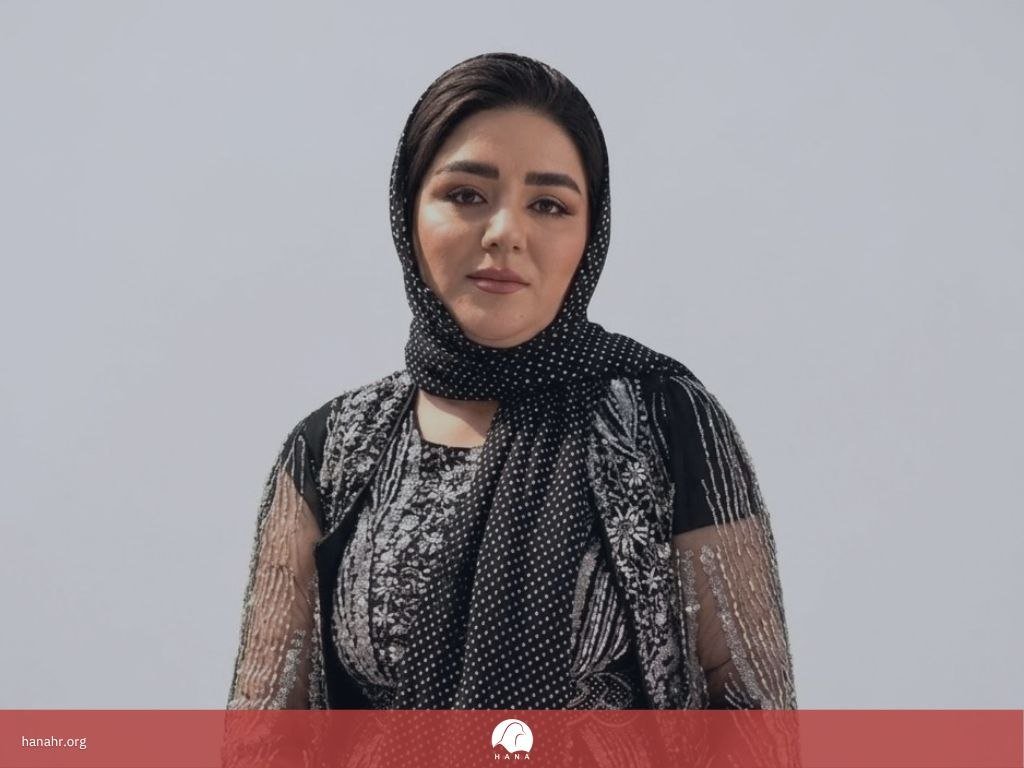
According to published reports, in the early hours of Monday, October 5, 2026, Maryam (Fatemeh) Yarmohammadi, a 28-year-old woman from Lorestan and mother of two children, was killed in her home in Qeshm after being stabbed repeatedly by her brother. According to these reports, the attacker deliberately targeted Maryam’s genital area, breasts, and neck with a knife. It has also been reported that her husband played a role in facilitating the circumstances of the crime by taking their children out of the home.
The motive for the murder has been reported as what is referred to as the preservation of “family honour.” Even more shocking, according to published information, some of Maryam’s relatives not only failed to express outrage over her murder but also protested the suspects’ arrests, describing death as the least punishment she deserved.
This crime is a horrifying manifestation of a possessive so-called “honour” culture—a system of social relations in which women are not regarded as independent human beings with rights over their own bodies and lives, but rather as the property of male family members. Within this framework, even murder and assaults on women’s sexual organs can be justified in the name of defending family reputation.
In Iran, despite intentional homicide being criminalized, there is still no comprehensive and effective law to prevent violence against women and protect its victims. The continued existence of discriminatory legal provisions and the absence of effective protection mechanisms, combined with the social tolerance of so-called “honour”-based violence, pose a serious threat to women’s safety and their right to life.
From the perspective of the Hana Human Rights Organization, the murder of Maryam Yarmohammadi is not merely a family crime; it is an example of a system of relations in which men’s claimed ownership over women’s bodies and lives can extend to the point of depriving them of their right to life.
Use more precise attribution throughoutMake the headline less graphic