
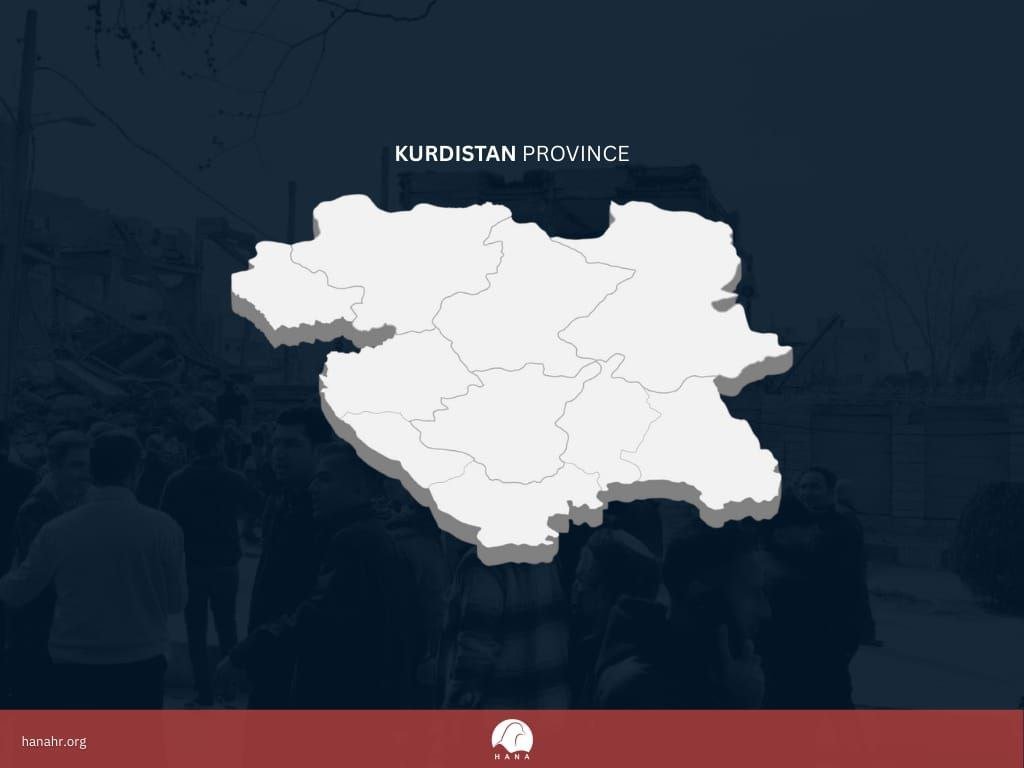
Special report on baneh
The Hana Human Rights Organization, continuing its field-based documentation of developments in Kurdistan cities amid escalating security crises and communication restrictions, has released its latest assessment of the situation in Baneh based on reports from local sources.
Field information indicates that the economic and livelihood situation in Baneh has sharply declined, with a significant portion of commercial activities in the city effectively halted. Markets in many areas are experiencing serious stagnation, and a considerable number of shops have been completely closed. At the same time, the prices of essential goods have continued to rise widely, with local sources reporting that the cost of many consumer items, particularly foodstuffs such as rice, oil, meat, and other basic necessities, has increased three to fourfold in a short period.
Socially, despite economic pressures and concerns about the future, a significant portion of daily conversations among the population revolves around the possible weakening or end of the central government. Local sources report that some members of society view this with cautious optimism regarding ongoing developments. Conversely, other residents fear that the continuation of the current situation may lead to broader security pressures and harsher crackdowns.
Based on received information, the authorities have also adopted a more cautious approach toward the local auxiliary forces. Local sources report a decrease in trust toward these forces, and many are not allowed to operate in their home cities, being transferred instead to other regions, including Persian- and Turkic-speaking areas. It has also been reported that individuals wishing to terminate cooperation with the government are being asked to pay very large sums, approximately 900 million to 1 billion tomans, and some have reportedly been summoned by the Military Judiciary Prosecutor.
Government troop movements within the city have become more restricted, and their presence is increasingly carried out without visible deployment in public areas. Local sources state that the majority of troops travel around the city in personal vehicles and have vacated previous positions. Meanwhile, city monitoring is largely conducted remotely with minimal direct presence in streets.
In terms of security checkpoints, most previous checkpoints have been removed, and those remaining are often manned with limited personnel during night hours or effectively left unattended.
According to available information, the number of military casualties in the area is estimated between 30 and 40 individuals, though independent and official statistics are not available.
Recent reports also indicate attempts to enlist the cooperation of certain religious figures and influential local personalities. According to these reports, some security personnel, without revealing their identities, approached local religious leaders and trusted community members, asking them to participate in plans framed as “city protection” by accepting weapons. However, the sources emphasize that several religious and influential figures rejected this request, stating they would not engage in any armed confrontation against local residents.
The Hana Human Rights Organization warns of the ongoing economic pressures, disruption of livelihoods, and expanding security control measures in Baneh. It expresses concern and emphasizes the urgent need for human rights and humanitarian institutions to pay attention to the situation of civilians in the city. Hana also views the attempt to involve local forces and religious figures in security operations as alarming, with potential direct consequences for social safety in the region.
Hana Human Rights Organization
18 March 2026