
The arrival of March 8, International Women’s Day, is an occasion to honor the determination of women who have long fought for equal rights.
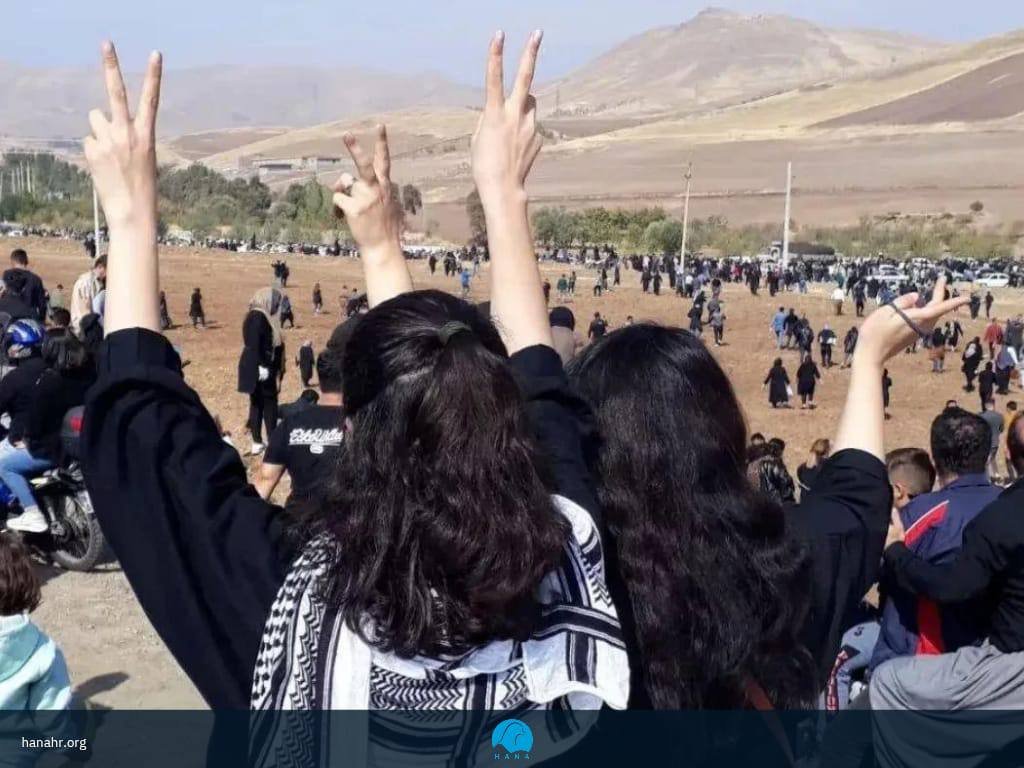
In Iran, this day has always served as a reminder of women’s struggles against discriminatory laws and structures. For decades, Iranian women have fought for their fundamental rights, from the earliest civil and family laws, demanding equality in marriage, divorce, custody, inheritance, work, and even freedom of dress. Women’s protests and rights movements in Iran, including the “Women, Life, Freedom” movement, have once again shown that women stand at the frontline of the struggle for freedom and equality, making their voices among the most powerful calls for change in the country.
Despite the fact that women in general face systemic oppression and inequality under Iran’s religious-legal system, this injustice is compounded for women belonging to ethnic, linguistic, and religious minorities.
Among these, Kurdish women face multiple layers of oppression and discrimination. They are not only marginalized because of their gender but also because of their ethnic, linguistic, and religious identity, experiencing additional legal, cultural, and social pressures. Iran’s legal system, which restricts women’s rights in many areas, creates further complexities for Kurdish women.
The family law system in Iran is not unified; rather, family-related legal matters fall under the jurisdiction of personal status laws, which are tied to the individual’s religion. Most Kurdish women, being Shafi’i, are often excluded from many aspects of family law, including marriage, divorce, and inheritance, and suffer from double discrimination. The issue becomes even more pronounced because Shafi’i personal status laws have never been codified, leaving no unified legal framework. Family courts, lacking substantive involvement, often refer cases to religious councils in different cities. These clerics, without basic legal oversight, make decisions whose religious opinions are then enacted by the family court judge.
This situation, which has received little serious attention until now, traps many Kurdish women in a cycle of endless legal injustice.
March 8 is therefore not only a day to recall women’s struggles but also a moment to emphasize our responsibility to continue this path.
The HANA Human Rights Organization, commemorating this day, stresses the urgent need to eliminate discrimination and achieve gender justice, and honors the conscious resilience of women who strive to shape a future based on human rights.